
- Home/
- Buy Prednisolone Without Prescription in the United States Online
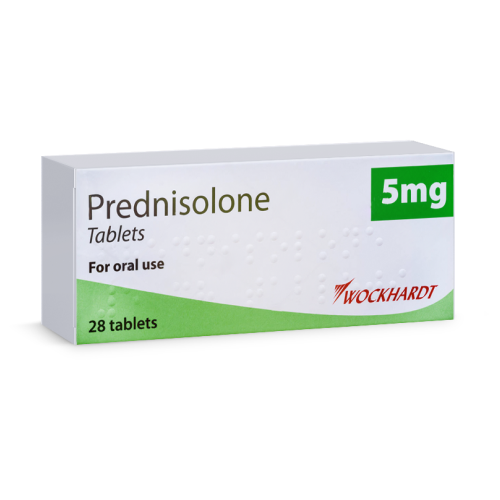
| Medicine Name | Prednisolone |
|---|---|
| Main Component | Prednisolone |
| Category of Use | Anti-inflammatory (corticosteroid) |
| Strength Options | 5 mg, 10 mg, 20 mg, 50 mg tablets; oral liquid available |
| How Fast It Works | Initial effect within 1–2 hours (oral) |
| Action Timeframe | Duration ranges from 12 to 36 hours depending on dose and formulation |
| Prescription Needed? | Yes, a valid prescription is required in the United States |
| Typical Dosing Frequency | Once daily or divided doses, as determined by physician |
| Common Producers in US Market | Teva, Mylan, Sandoz, Amneal, and others (generics) |
Prednisolone for Inflammation: What to Know and How to Access in the United States
Prednisolone is a prescription corticosteroid medication that is widely used to treat various inflammatory conditions, including autoimmune disorders, allergies, and flare-ups of chronic diseases. It is legally regulated and available in the United States through pharmacies when prescribed by a licensed healthcare provider. Understanding its uses, benefits, and practical considerations can help you decide if it’s the right approach for your inflammation-related needs.
How common—and how treatable—is inflammation in the United States?
Inflammatory conditions are among the most frequently encountered health issues in the United States. According to the Centers for Disease Control and Prevention (CDC), 2023, over 54 million Americans have been diagnosed with some form of arthritis—a leading example of chronic inflammation—while millions more experience inflammation related to allergies, asthma, or autoimmune disorders. The good news is that with modern therapies like corticosteroids, including Prednisolone, effective management is possible for most people. Early recognition and appropriate treatment can often prevent complications and improve quality of life.
How does Prednisolone address inflammation in the body?
- Physiological mechanism: Prednisolone is a synthetic corticosteroid that mimics the action of naturally occurring hormones in your adrenal glands. When inflammation flares up, your immune system releases chemicals that increase blood flow and attract immune cells to affected tissues. Prednisolone works by blocking the production of these inflammatory chemicals (such as prostaglandins and cytokines) and suppressing the activity of specific immune cells.
- Practical effect for you: By moderating these immune responses, Prednisolone reduces swelling, pain, redness, and heat in the inflamed area. For most patients, noticeable symptom relief may occur within a few hours to a couple of days depending on the condition treated and the dosage used. The medication does not cure the underlying cause but can quickly control symptoms during flare-ups or critical illness.
This dual effect—calming the immune system and directly reducing symptoms—makes Prednisolone especially useful for acute exacerbations, severe allergic reactions, and persistent autoimmune inflammation.
Is Prednisolone the right choice for me? Recognizable real-life scenarios
| Scenario | Recommended? | Reasoning |
|---|---|---|
| You are experiencing a sudden, severe flare of an autoimmune disease (e.g., lupus, rheumatoid arthritis) and need rapid symptom control. | Yes | Prednisolone is effective for quickly suppressing overactive immune responses and reducing inflammation during acute attacks. |
| You have ongoing mild joint pain or allergies and want a daily solution for long-term use. | No | Long-term corticosteroid use carries risks. Non-steroidal options or targeted treatments may be safer for chronic, low-grade symptoms. |
| You’re recovering from an organ transplant and your doctor prescribes immunosuppression. | Sometimes | Prednisolone may be part of a broader regimen, but its use must be individualized based on your risk profile and other medications. |
| You have poorly controlled diabetes or a current infection. | Usually not | Prednisolone can worsen blood sugar control and suppress immune defenses, so alternatives are considered unless strictly necessary. |
| You’re pregnant and have mild seasonal allergies. | Not typically | Safer, non-steroidal treatments are preferred unless corticosteroids are urgently needed and prescribed by your physician. |
This table is meant to help you recognize your own situation. Each case should be discussed with your healthcare provider, especially if you have complicating health issues or are taking other drugs.
Practical aspects: How to use Prednisolone in real life
- Taking the medication: Always follow your prescriber’s instructions. Prednisolone is usually taken with food to reduce stomach upset. Doses might be once daily in the morning or divided throughout the day.
- If you miss a dose: Take it as soon as you remember—unless it’s almost time for your next dose, in which case skip the missed one and resume your regular schedule. Never double up doses.
- If it doesn’t seem to help: Contact your doctor rather than increasing the dose yourself. Sometimes symptoms require a different approach or adjunct therapy.
- During infection or stress: Let your physician know if you develop fever, infection, or require surgery—your dose may need adjustment.
- What’s normal, what’s not:
- Common, not serious: Mild indigestion, increased appetite, temporary mood change.
- Needs attention: Unusual swelling, vision changes, severe mood shifts, or high blood sugar readings if diabetic.
- Stopping the medication: Do not stop Prednisolone suddenly if you’ve been on it for more than a couple of weeks. Your body may need time to adjust. Always taper under medical guidance.
These points are based on clinical experience and recommendations from Dr. Michael Evans, board-certified in rheumatology and internal medicine (United States).
Who should not use Prednisolone?
- Active, untreated infections: Prednisolone suppresses immune function, increasing risk of worsening or spreading infection.
- Uncontrolled diabetes mellitus: Corticosteroids raise blood glucose, potentially leading to dangerous complications.
- Known hypersensitivity to Prednisolone: Allergic reactions, though rare, can be severe.
- Peptic ulcer disease: Steroids may worsen ulcers or gastrointestinal bleeding.
- Recent live vaccination: Immune suppression can reduce vaccine efficacy and increase risks.
Any of these conditions require a careful discussion with your healthcare provider to evaluate the benefits and risks of using Prednisolone versus alternative therapies.
What side effects should you expect—and what needs urgent care?
- Common effects (often temporary): Increased appetite, mild mood swings, trouble sleeping, stomach upset, or higher blood sugar—these usually resolve after stopping or reducing the dose.
- Occasional but important: Fluid retention, elevated blood pressure, changes in body fat distribution, or acne. Monitor for these if using Prednisolone longer than a few weeks.
- Rare but serious—seek help immediately: Sudden shortness of breath, swelling of the face/tongue/throat, confusion, severe abdominal pain, or black tarry stools. These may signal a dangerous allergic reaction, gastrointestinal bleeding, or adrenal crisis. In the United States, call 911 for life-threatening symptoms, or contact the Poison Help line at 1-800-222-1222 if overdose or severe reaction is suspected.
Can Prednisolone be safely combined with other medications?
- Diabetes medications: Prednisolone may require dose adjustment of insulin or oral hypoglycemics due to its effect on glucose metabolism.
- NSAIDs (such as ibuprofen): Combining increases ulcer/bleed risk. Your provider may recommend protective measures.
- Anticoagulants (blood thinners): Effects may be unpredictable—monitoring is needed.
- Live vaccines: Not recommended during or immediately after Prednisolone, as immune suppression can blunt vaccine response or increase infection risk.
- Other immunosuppressants: Using multiple immune-dampening drugs increases risk of infection; close monitoring is essential.
Always provide your healthcare provider with a complete list of medications and supplements to avoid unwanted interactions.
Are there better options? Prednisolone compared honestly to alternatives
| Option | When Preferred | Prednisolone vs. this option |
|---|---|---|
| Prednisone | For conditions not requiring rapid onset; some patients prefer availability or insurance coverage | Prednisolone is the active form—works faster, especially in people with impaired liver function |
| Non-steroidal anti-inflammatory drugs (NSAIDs) | For mild to moderate pain/inflammation without systemic immune suppression needed | Lower risk of immune suppression, but less effective for severe or autoimmune flare-ups |
| Biologic agents (e.g., TNF inhibitors) | For chronic, severe autoimmune diseases when steroids are not tolerated or insufficient | More targeted, but slower onset and often higher cost/insurance hurdles |
| Topical steroids | For localized skin or joint inflammation | Fewer systemic effects, but not effective for deep or widespread inflammation |
| Other oral corticosteroids | When specific pharmacokinetics or formulations are needed (e.g., methylprednisolone, dexamethasone) | Choice depends on condition, side effect profile, and physician recommendation |
Prednisolone is often chosen for moderate to severe inflammation requiring a rapid, systemic approach. It is not always the best choice for mild, localized, or chronic management due to side effects with long-term use. Your doctor will help select the right agent based on your personal and medical context.
How much does Prednisolone treatment cost in the United States?
| Expense | Amount (USD) | Details |
|---|---|---|
| Physician consultation | $80–$250 | In-person or telemedicine; may be covered by insurance |
| Prescription fee (if not included) | $0–$25 | Varies by clinic or online provider |
| Prednisolone (generic, 30 tablets) | $4–$30 | Price depends on dosage and pharmacy; some discount programs offer lower costs |
| Pharmacy delivery (optional) | $5–$20 | Standard or expedited shipping |
| Total | $89–$325 | Lowest price is with insurance or discount programs; highest if uninsured and using expedited delivery |
Prednisolone is available in almost all US pharmacies, both in-person and online. A prescription is legally required. Some online services work with US-licensed doctors to provide telemedicine consultations and ship directly to your home after approval. If you have insurance, your out-of-pocket cost may be significantly lower.
Remaining questions — what if I want to stop or need it again?
Can I stop Prednisolone immediately when my symptoms go away? If you have used Prednisolone for more than 2–3 weeks, stopping suddenly can cause adrenal insufficiency (your body’s inability to quickly make enough steroid hormones). Tapering the dose under supervision is needed. For short courses (under two weeks), abrupt stopping is usually safe but check with your prescriber.
Can Prednisolone be refilled online? Refills require a new prescription unless your doctor has authorized repeats. Online telehealth platforms may offer renewal visits, but you will need to provide your health history and current medication list. The FDA and state boards regulate who can prescribe and under what circumstances—always ensure the service uses US-licensed providers.
For any uncertainties, particularly around starting, stopping, or combining medications, a direct conversation with your prescribing physician is essential. Prednisolone is effective for many, but the safest use comes from open, ongoing dialogue with your healthcare team.
Sources
- Centers for Disease Control and Prevention (CDC), 2023
- US Food and Drug Administration (FDA)